Skip to main contentBiographyStudied: apprenticed to a cabinetmaker-carpenter in Charlestown, Md., 1765; began studying in his brother Charles' studio in Annapolis, Md., by 1771
Exhibited: Columbianum, 1795; PAFA, 1811-62, 1911 (miniature exh.), 1923 (portraits by Charles W., James and Rembrandt Peale); BMA, 1823; Boston Athenaeum
Work: American Philosphical Society, Phila. (James Peale's Sketchbook); PAFA; Hist. Soc. Penn. Houston Mus. FA; Wash. Co. Mus. FA; Md. Hist. Soc.; Colonial Williamsburg Foundation, VA; Utah Mus.FA; CGA; J.B. Speed Mus., Louisville, KY; Cincinnati Art Mus.; AGAA; Worcester Art Mus.
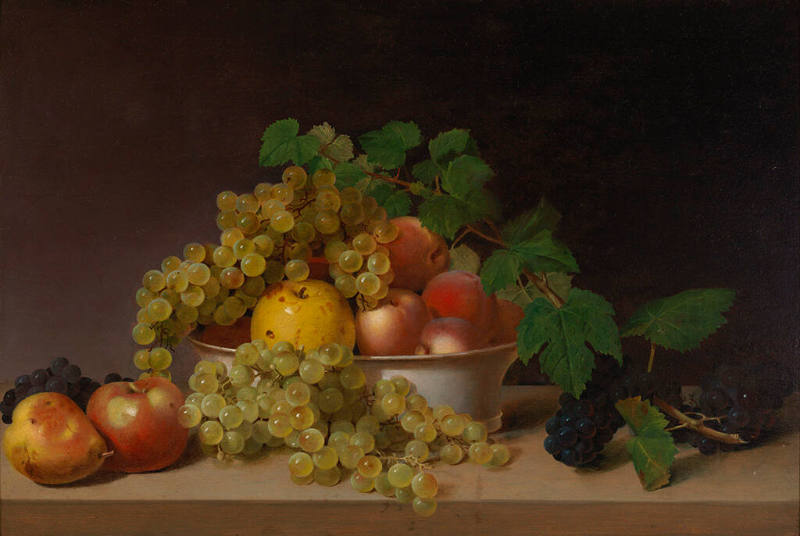
Comments: Younger brother of Charles Willson Peale. After serving with the Continental Army during the Revolution, he settled in Philadelphia in 1779 and married Mary Claypoole (daughter of painter James Claypoole) in 1782. For the next several years he and Charles attempted a working relationship in which they split their commissions; thereafter, however, they worked separately, still maintaining a close family relationship. James' career was rich and varied; he painted landscapes early in his careeróhis first known pure landscape (Pleasure Party by Mill," Houston MFA) was painted about 1790óand he turned again to the subject late in his career when he and his brother Charles sketched together at various sites. In the 1780s James painted a number of canvases portraying historical scenes, most relating to the Revolution, including "The Generals at Yorktown" (Colonial Williamsburg). Peale's reputation, however, was built on his watercolor miniature portraits, for which he is considered among the best of his contemporaries. During his lifetime he produced over 200 portraits, receiving commissions from and for the social, political, and military elite. Peale also painted portraits in oil and is believed to have made about 75 in his career. After 1823, perhaps because of failing eyesight, Peale turned his focus from miniatures to still-life painting (he had exhibited his first in 1795, at the Columbianum), producing a notable body of fruit pieces which he showed frequently from 1823. Like his brother Charles, James involved his family in the art of painting. Of his six children, five are known to have painted: Maria, James, Anna Claypoole, Margaretta Angelica, and Sarah Miriam (see entries).
Sources: G&W; Sellers, Charles Willson Peale; DAB; Rutledge, PA; Rutledge, MHS; Swan, BA; Brockway, "The Miniatures of James Peale," contains a checklist and 14 repros.; Sherman, "Two Recently Discovered Portraits in Oils by James Peale," with 4 repros. and checklist of oil portraits; Baur, "The Peales and the Development of American Still Life"; exhibition catalogues of the Peale exhibitions at the Penna. Academy (1923), Century Association (1953), and Cincinnati Museum of Art (1954, Flexner, The Light of Distant Skies. More recently, see Linda Crocker Simmons' chapter in "James Peale: Out of the Shadows," in Miller, ed. The Peale Family; Strickler, American Portrait Miniatures, 98-99. See Charles Willson Peale entry for archival information."
This biography is drawn from the "Who Was Who in American Art" , the reference book on the cultural life in the United States.


James Peale
American, 1749 - 1831
Exhibited: Columbianum, 1795; PAFA, 1811-62, 1911 (miniature exh.), 1923 (portraits by Charles W., James and Rembrandt Peale); BMA, 1823; Boston Athenaeum
Work: American Philosphical Society, Phila. (James Peale's Sketchbook); PAFA; Hist. Soc. Penn. Houston Mus. FA; Wash. Co. Mus. FA; Md. Hist. Soc.; Colonial Williamsburg Foundation, VA; Utah Mus.FA; CGA; J.B. Speed Mus., Louisville, KY; Cincinnati Art Mus.; AGAA; Worcester Art Mus.
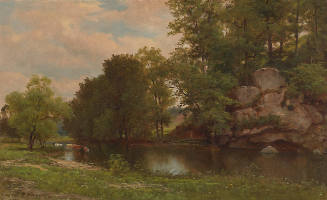
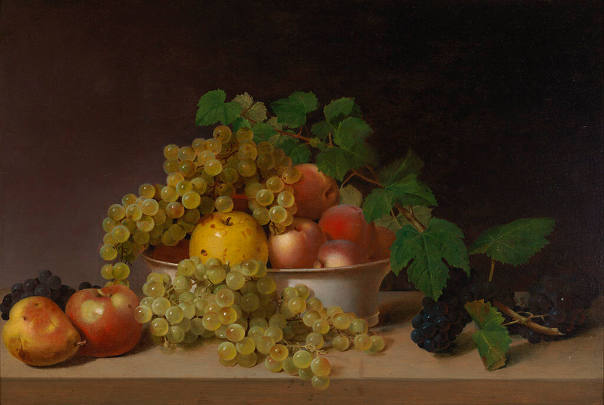
Comments: Younger brother of Charles Willson Peale. After serving with the Continental Army during the Revolution, he settled in Philadelphia in 1779 and married Mary Claypoole (daughter of painter James Claypoole) in 1782. For the next several years he and Charles attempted a working relationship in which they split their commissions; thereafter, however, they worked separately, still maintaining a close family relationship. James' career was rich and varied; he painted landscapes early in his careeróhis first known pure landscape (Pleasure Party by Mill," Houston MFA) was painted about 1790óand he turned again to the subject late in his career when he and his brother Charles sketched together at various sites. In the 1780s James painted a number of canvases portraying historical scenes, most relating to the Revolution, including "The Generals at Yorktown" (Colonial Williamsburg). Peale's reputation, however, was built on his watercolor miniature portraits, for which he is considered among the best of his contemporaries. During his lifetime he produced over 200 portraits, receiving commissions from and for the social, political, and military elite. Peale also painted portraits in oil and is believed to have made about 75 in his career. After 1823, perhaps because of failing eyesight, Peale turned his focus from miniatures to still-life painting (he had exhibited his first in 1795, at the Columbianum), producing a notable body of fruit pieces which he showed frequently from 1823. Like his brother Charles, James involved his family in the art of painting. Of his six children, five are known to have painted: Maria, James, Anna Claypoole, Margaretta Angelica, and Sarah Miriam (see entries).
Sources: G&W; Sellers, Charles Willson Peale; DAB; Rutledge, PA; Rutledge, MHS; Swan, BA; Brockway, "The Miniatures of James Peale," contains a checklist and 14 repros.; Sherman, "Two Recently Discovered Portraits in Oils by James Peale," with 4 repros. and checklist of oil portraits; Baur, "The Peales and the Development of American Still Life"; exhibition catalogues of the Peale exhibitions at the Penna. Academy (1923), Century Association (1953), and Cincinnati Museum of Art (1954, Flexner, The Light of Distant Skies. More recently, see Linda Crocker Simmons' chapter in "James Peale: Out of the Shadows," in Miller, ed. The Peale Family; Strickler, American Portrait Miniatures, 98-99. See Charles Willson Peale entry for archival information."
This biography is drawn from the "Who Was Who in American Art" , the reference book on the cultural life in the United States.
Person TypeIndividual
Terms
- painters
- male